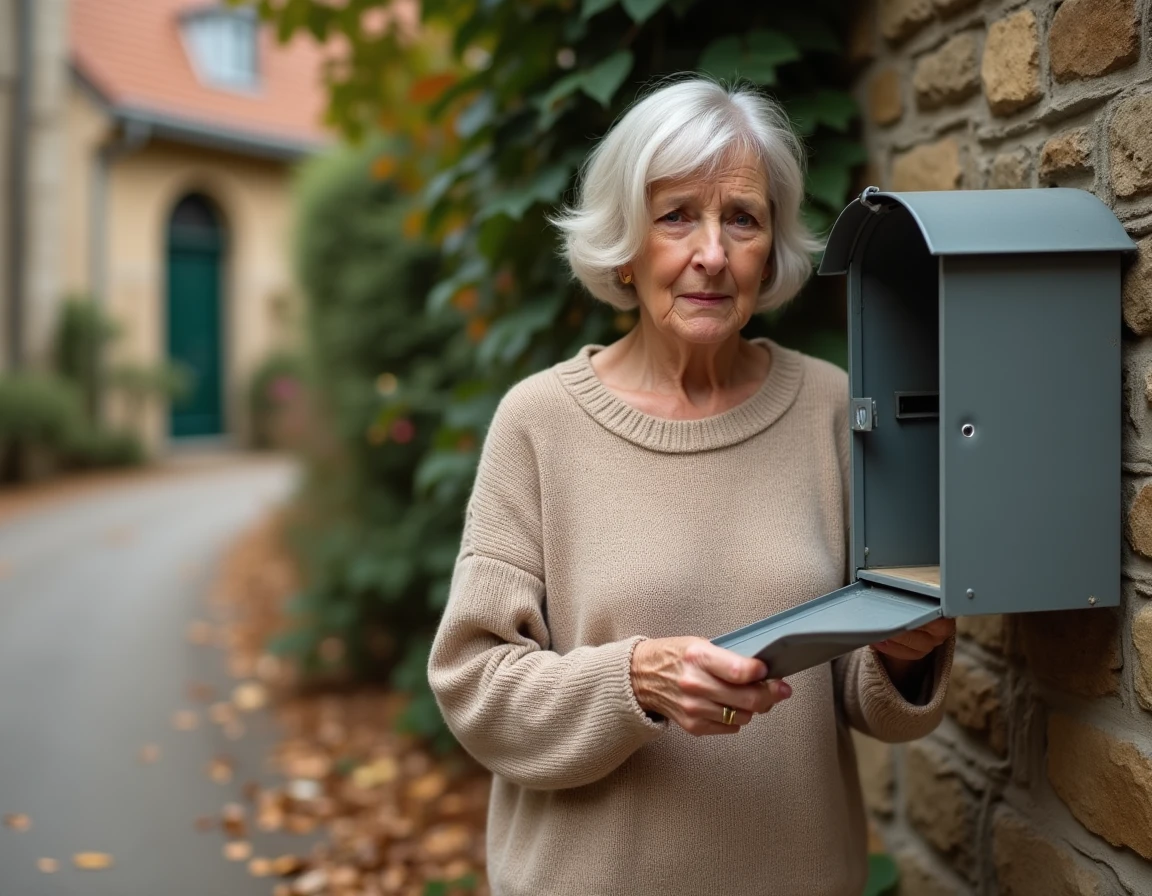
The magazine Télé Z, published weekly and distributed by postal subscription, has not been reaching some readers for several months. The issue is not limited to a one-time delay: subscribers report three or four missing issues over a short period, with no clear explanation from the publisher.
Understanding the reasons for this non-receipt requires examining the entire chain, from the postal sorting center to the mailbox, including the economic choices of distributors.
Logistical Costs and Decreasing Distribution Rounds

The rise in fuel, sorting, and last-mile delivery costs is hitting subscription weekly press hard. Since 2023, distributors have reduced the number of weekly rounds to make each delivery more profitable.
Specifically, Télé Z is no longer delivered alone. The magazine is bundled with other advertising print materials in the same batch. As long as this batch does not reach a volume deemed profitable, the delivery is postponed. In rural areas, this means that an issue may arrive several days late, or may never arrive if the next delivery window coincides with the following issue.
This mechanism of bundling shipments with other printed materials explains why non-receipt affects certain geographic areas more than others. An urban reader in Lyon or Bordeaux statistically has a better chance of receiving their copy than a subscriber in a town of a few hundred inhabitants. Independent distributors cited by France Magazine confirm that distribution tends to concentrate on subscribers located in densely populated urban areas.
Many readers are trying to find out why Télé Z is not received in their mailbox, and the answer often lies in this logic of last-mile profitability rather than a one-time oversight.
Télé Z and Customer Service Complaints: A Repetitive Pattern

Subscriber testimonials on platforms like Trustpilot or Custplace reveal a recurring pattern. The subscriber reports a missing issue. Customer service responds with a standard message blaming La Poste for the problem. A reshipment is sometimes promised, but several readers report never receiving the replacement issue.
This observation is not limited to Télé Z. Other TV magazines from the group distributed via PrismaShop (like Télé 2 Semaines) have seen a rise in reported missing issues since 2024. The problem therefore seems structural and linked to the logistics chain shared by all these publications.
What Customer Service Often Fails to Distinguish
Three different situations produce the same result (no magazine in the mailbox), but do not call for the same solutions:
- The issue was indeed shipped by the publisher but was not delivered by the postal service, due to a sorting failure or a canceled round.
- The issue was never entrusted to the postal network because the subscriber file contained an address error or an unprocessed duplicate.
- The magazine was dropped off, but in the wrong mailbox or without protection against the elements, which amounts to a loss.
Standardized responses from customer service generally do not allow for determining which of these situations applies. The subscriber remains without visibility on the actual origin of the problem.
Rural Areas and the Gradual Disappearance of Newsstand Sales Points
The non-receipt by postal subscription coincides with another phenomenon: the continuous decline of Télé Z’s presence in newsstands. For a rural reader who no longer receives their copy by mail, the alternative of the local sales point may no longer exist either.
Observers of the television press note that distribution is now concentrated on so-called “stable” subscribers and areas of high density. This rationalization logic leaves gaps in territorial coverage. Some sectors are becoming true white zones for the reception of weekly press.
The Shift to Digital as a Default Solution
In the face of these difficulties, the publisher offers subscription plans that include digital access. This option solves the problem of physical distribution, but it assumes equipment and digital proficiency that not all Télé Z readers possess. The historical readership of this magazine, often older, remains attached to the paper format.
Digital does not replace the ritual of weekly reading on paper for a significant portion of subscribers. Offering an online version as compensation for an unfulfilled paper subscription generates frustration rather than satisfaction.
Practical Checks in Case of Non-Receipt of Télé Z
Before contacting customer service, some checks can help identify the source of the problem and formulate a more precise complaint.
- Check that the postal address registered in the PrismaShop subscriber area exactly matches the one on the mailbox (name, number, postal code, mention “chez” if applicable).
- Note precisely the missing issues along with their publication dates, to provide a history to customer service and demonstrate the recurring nature of the problem.
- Check if other mail or advertising print materials are also missing, which would indicate a postal round issue rather than a specific problem with Télé Z.
- Consult recent reviews from other subscribers on Trustpilot or Custplace to verify if the problem affects your geographic area at a given time.
If non-receipt persists after several complaints, a registered letter to the publisher formalizes the request and opens the way for a refund of the missing issues or an early cancellation for legitimate reasons.
The underlying problem remains the economic fragility of paper press distribution in France. As long as last-mile costs continue to rise without compensation, low-priced weekly magazines like Télé Z will remain the first affected by route cancellations and delivery delays.