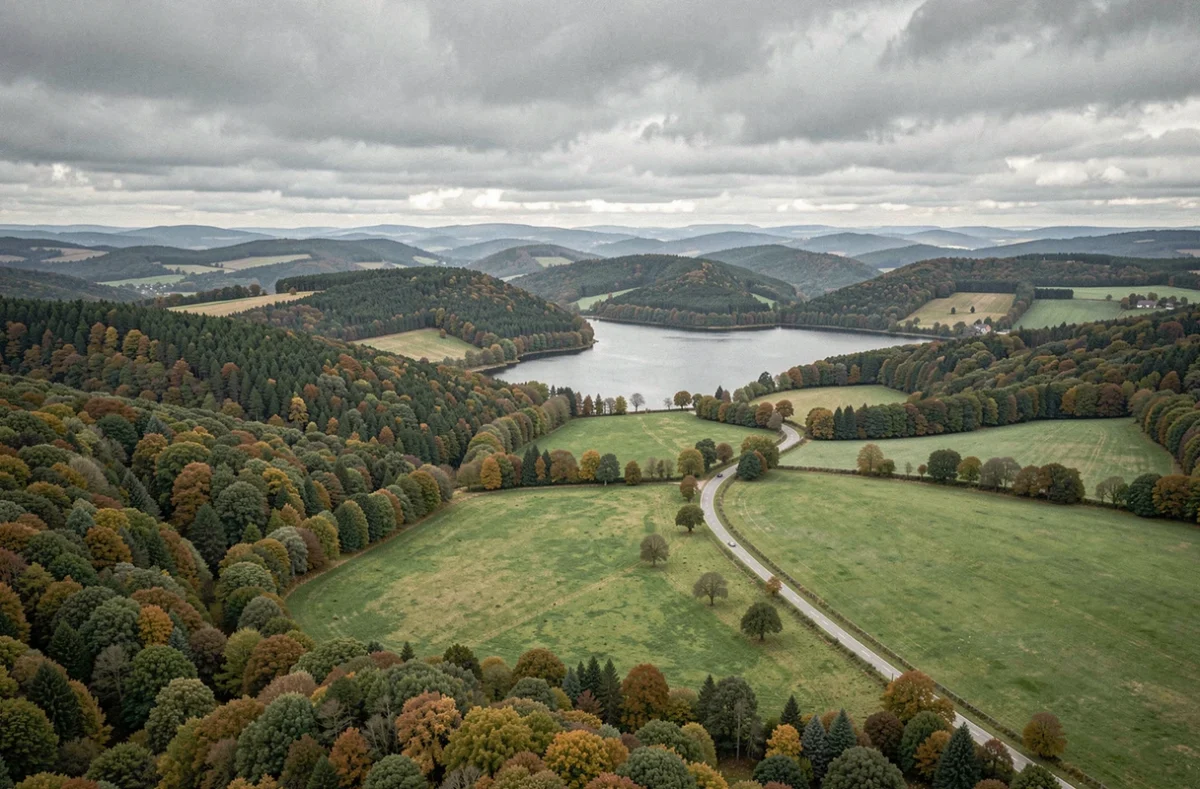
The Morvan is a granite massif in the heart of Burgundy, centred around a Regional Nature Park that covers tens of thousands of hectares of forests, lakes and bocage countryside.
What makes it special for visitors is that TER regional trains run as far as Avallon, with onward connections by bus and cycling or walking routes that link villages and natural sites without a car. Here are ten practical ideas for exploring its landscapes and heritage with this way of getting around in mind.
1. Avallon, the Morvan’s rail gateway
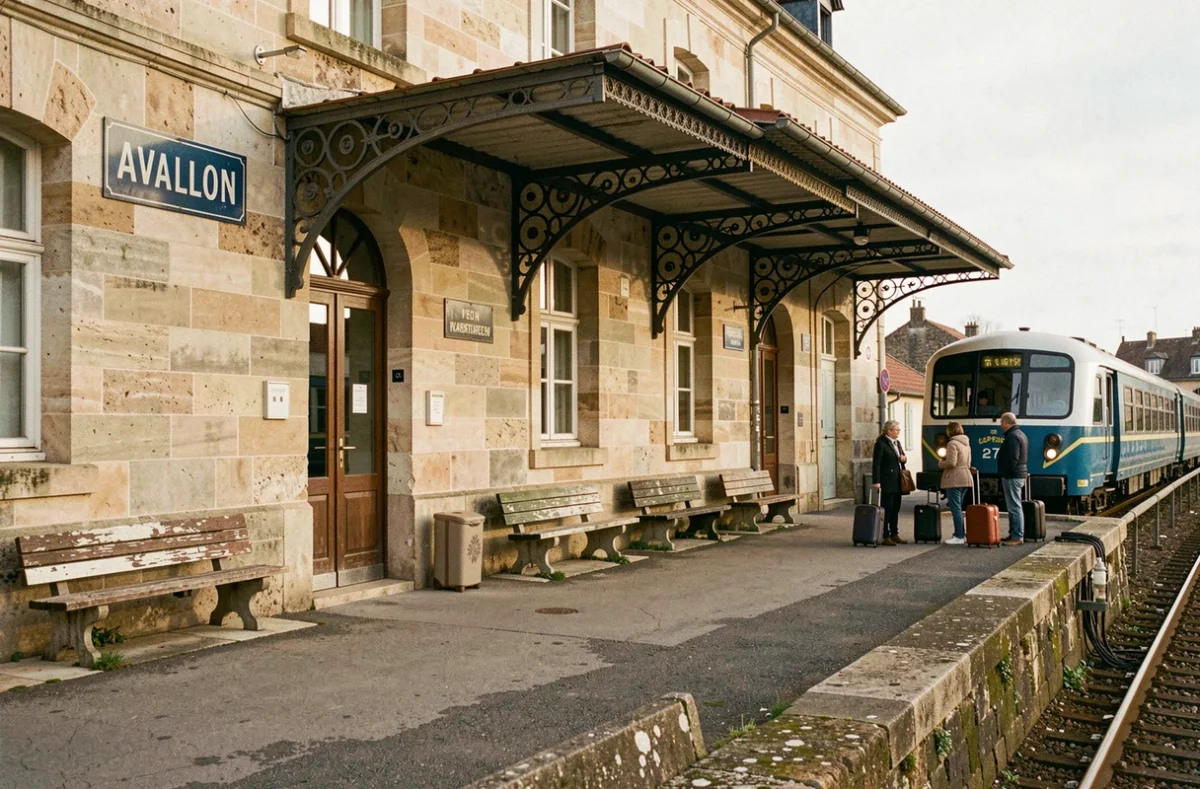
Avallon is the TER station closest to the heart of the massif. The town is well worth a stop before you continue: its medieval ramparts, the collegiate church of Saint-Lazare and its steep, winding streets offer a first glimpse of Burgundy’s Romanesque heritage.
Bus routes from the station connect to Quarré-les-Tombes and Saulieu. Planning ahead is essential, as services are limited outside market days. Bringing a folding bike on the TER solves much of the problem for connecting journeys.
2. Vézelay and the Basilica of Sainte-Marie-Madeleine
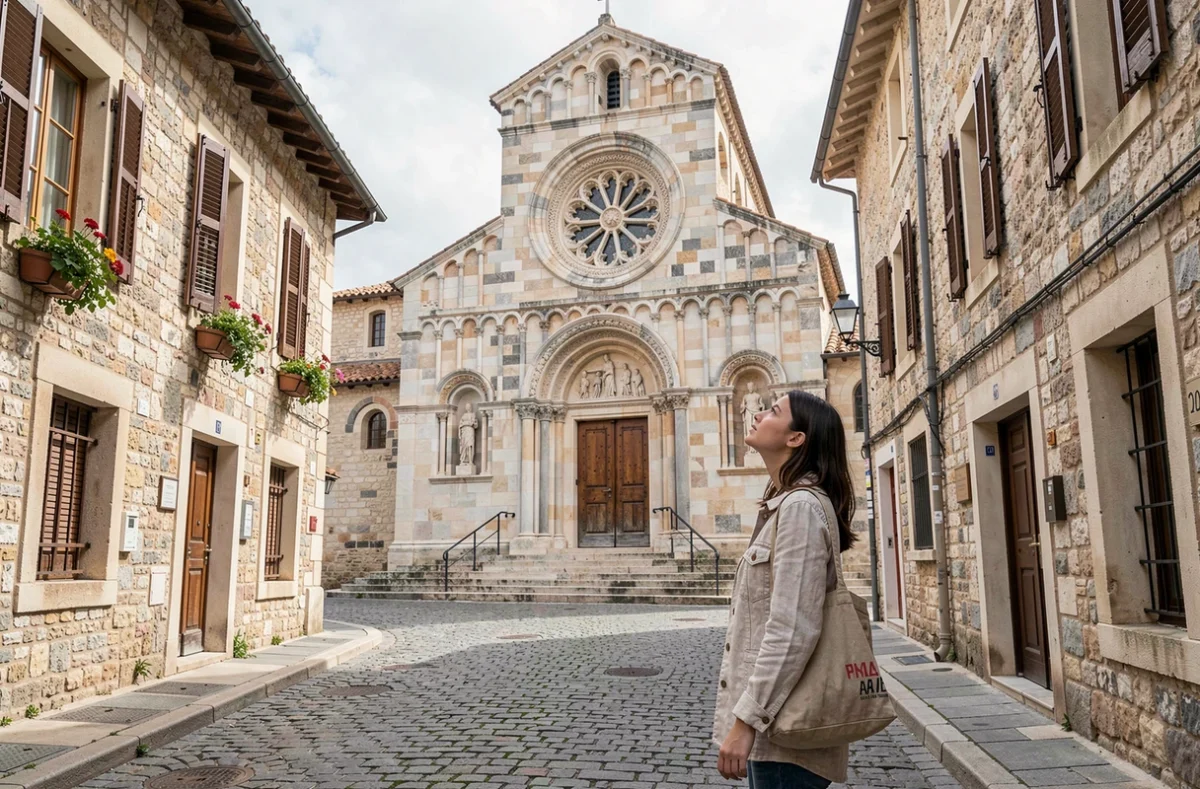
Built in the 12th century, the Basilica of Sainte-Marie-Madeleine is a masterpiece of Romanesque art and a UNESCO World Heritage Site. The hilltop village around it is also a historic starting point for the pilgrimage to Santiago de Compostela.
For anyone wondering what to do in the Morvan while combining culture and hiking, the trail descending from Vézelay towards the Cure Valley lets you pair an architectural visit with a woodland walk of around ten kilometres.
3. Bibracte and Mont Beuvray
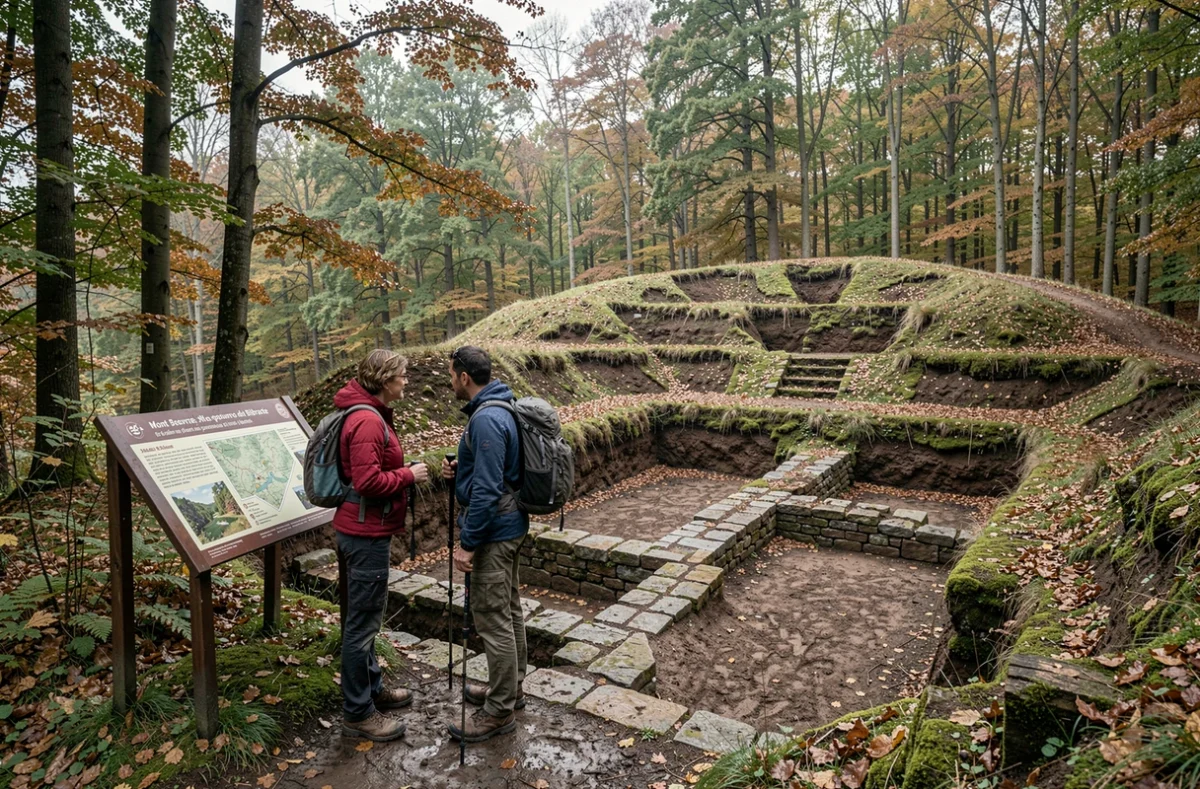
Bibracte is an ancient Gallic capital buried beneath the forest on Mont Beuvray. The archaeological site, where excavations are still underway, is complemented by a museum exploring the everyday life of the Aedui. The queules—sunken paths carved into the granite by centuries of foot traffic—shape the route up the mountain.
The summit offers sweeping views across the southern Morvan. From Autun (with a TER station), take a connecting bus to Saint-Léger-sous-Beuvray, then continue on foot. Allow about an hour to walk from the bus stop to the site.
4. Cycling around Lac des Settons
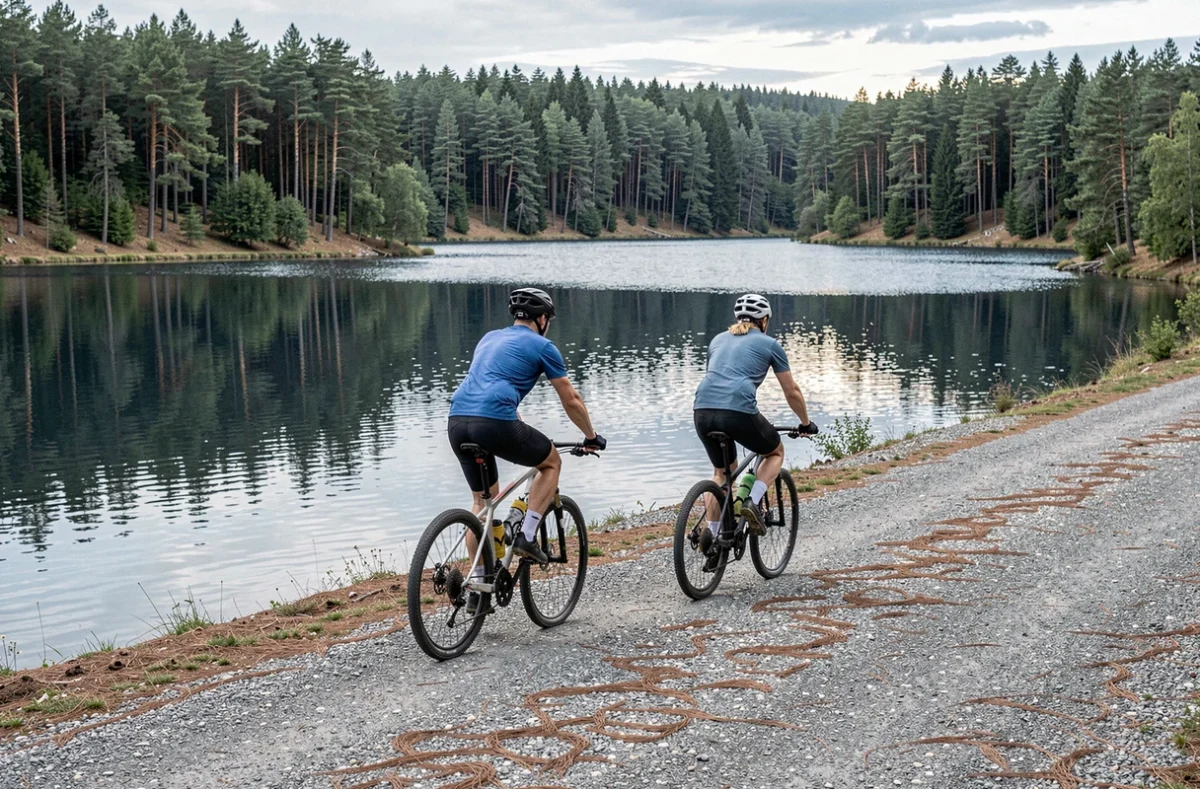
Lac des Settons is the Morvan’s most popular lake, with a dedicated cycling loop around its shores. Lifeguarded swimming in summer, canoe and pedal-boat hire, grassy beaches: it’s the massif’s perfect spot to unwind.
From Saulieu (reachable by bus from Avallon), the ride to the lake is around thirty kilometres along quiet roads. The elevation gain is moderate, making the route suitable for occasional cyclists with panniers.
5. The Narvau Gorges in Lormes
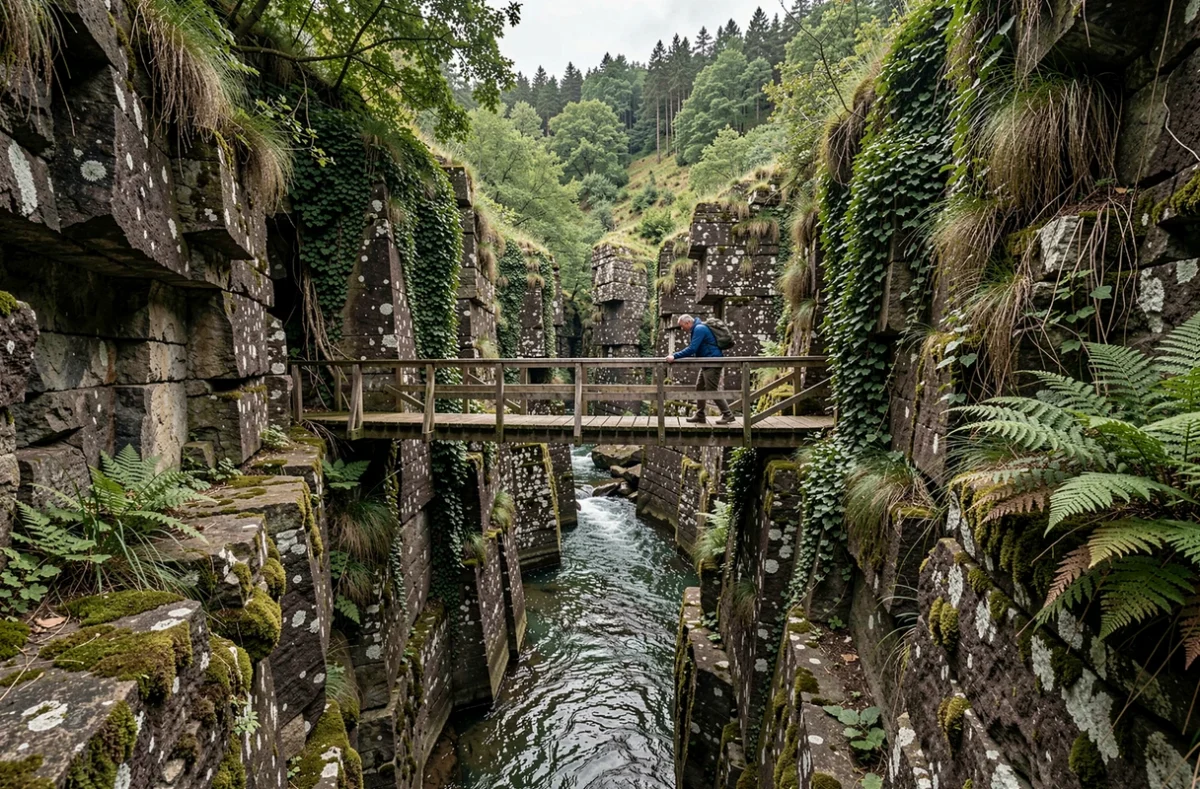
The Narvau Gorges are a narrow, rocky ravine at the foot of Lormes, in the Nièvre. A marked trail follows the stream for a few kilometres, winding between granite boulders and ferns. The coolness of the gorge makes it an ideal hike on a hot day.
To get there without a car, take a bus from Corbigny (a TER station on the Auxerre–Clamecy–Corbigny line). The town of Lormes is a good place to stock up before heading down into the gorges.
6. Saut de Gouloux
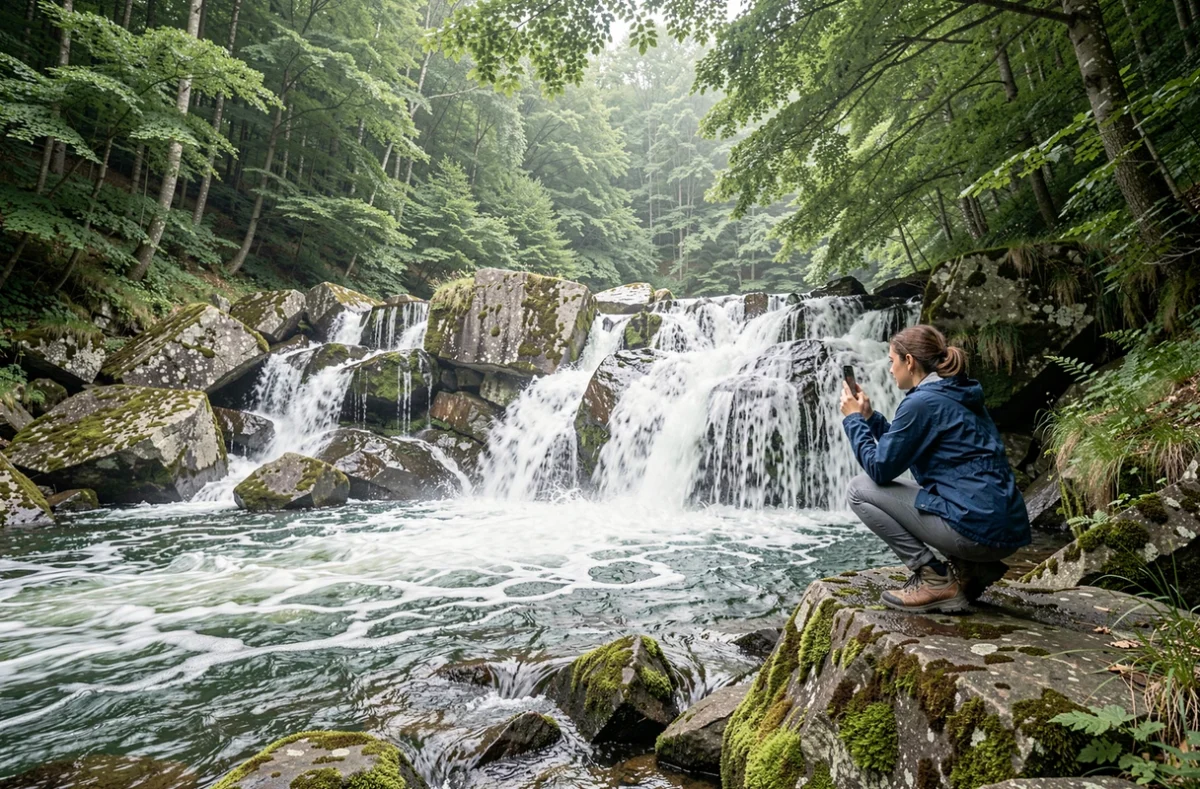
Fed by the Caillot stream, this waterfall plunges several metres through a woodland setting. It lies near the hamlet of Gouloux, also known for its clog maker.
Saut de Gouloux pairs well with a day at Lac des Settons: the two sites are just a few kilometres apart on foot. The trail connecting them passes through a dense beech forest, typical of the central Morvan landscape.
7. Château de Bazoches
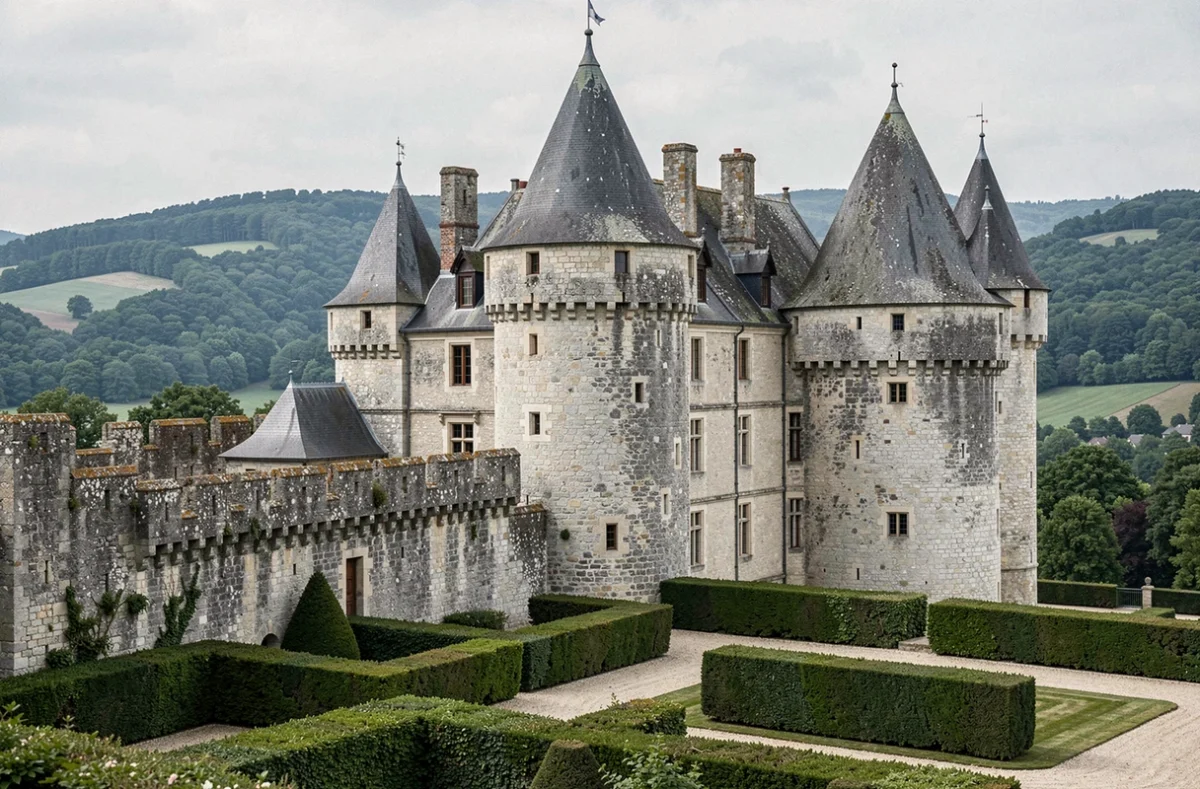
Once the home of Vauban, Château de Bazoches overlooks the valley from a wooded hill. A visit takes you through the military engineer’s study, his models of fortifications and the grounds surrounding the château.
The château is a few kilometres from Vézelay. On foot, the route between the two sites follows country lanes through the bocage. It’s one of the few heritage itineraries in the Morvan that can be completed in a day without a car.
8. Saulieu and the François Pompon Museum
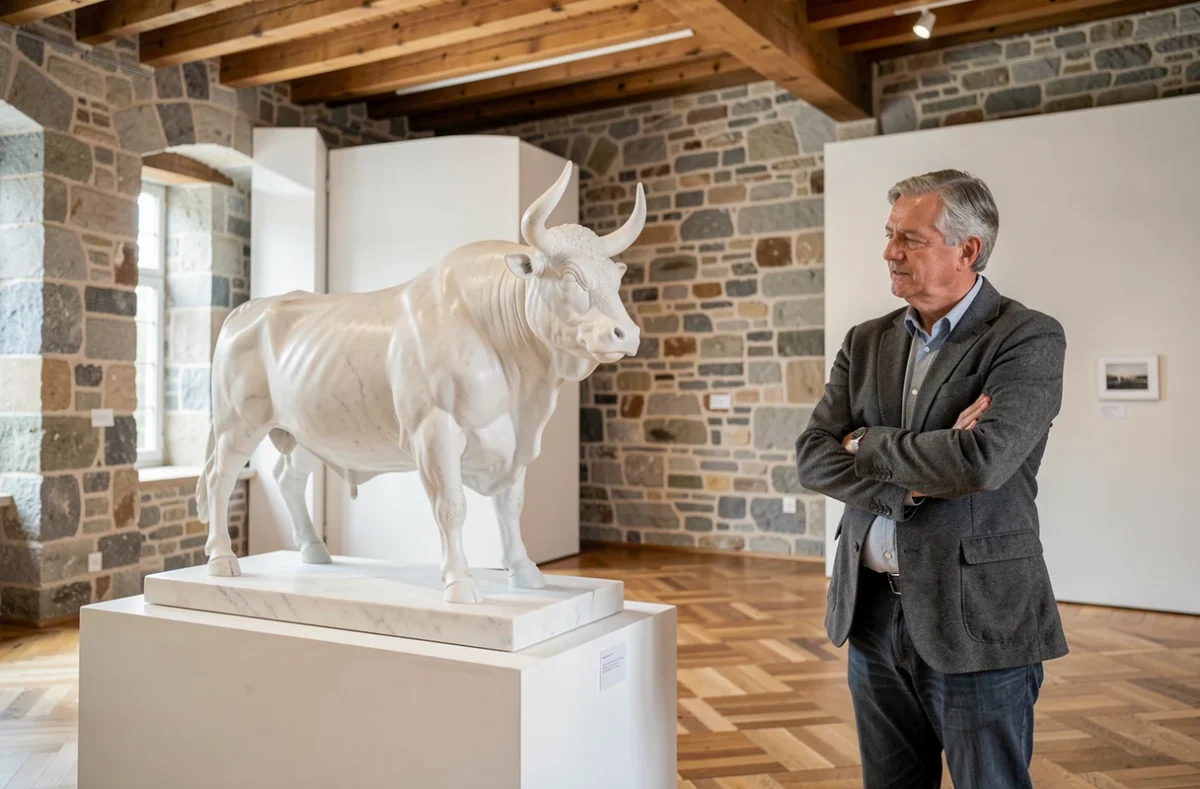
Saulieu is a historic stopping point on National Route 6. Its museum houses works by animal sculptor François Pompon, who was born in the town, including his famous White Bear. The 11th-century Basilica of Saint-Andoche rounds out the visit with its sculpted Romanesque capitals.
The town is ideal for a half-day stop between cycling or bus journeys. Several local producers sell goat’s cheese and Morvan honey here, adding a gastronomic touch to your visit.
9. White-water rafting on the Cure or Chalaux
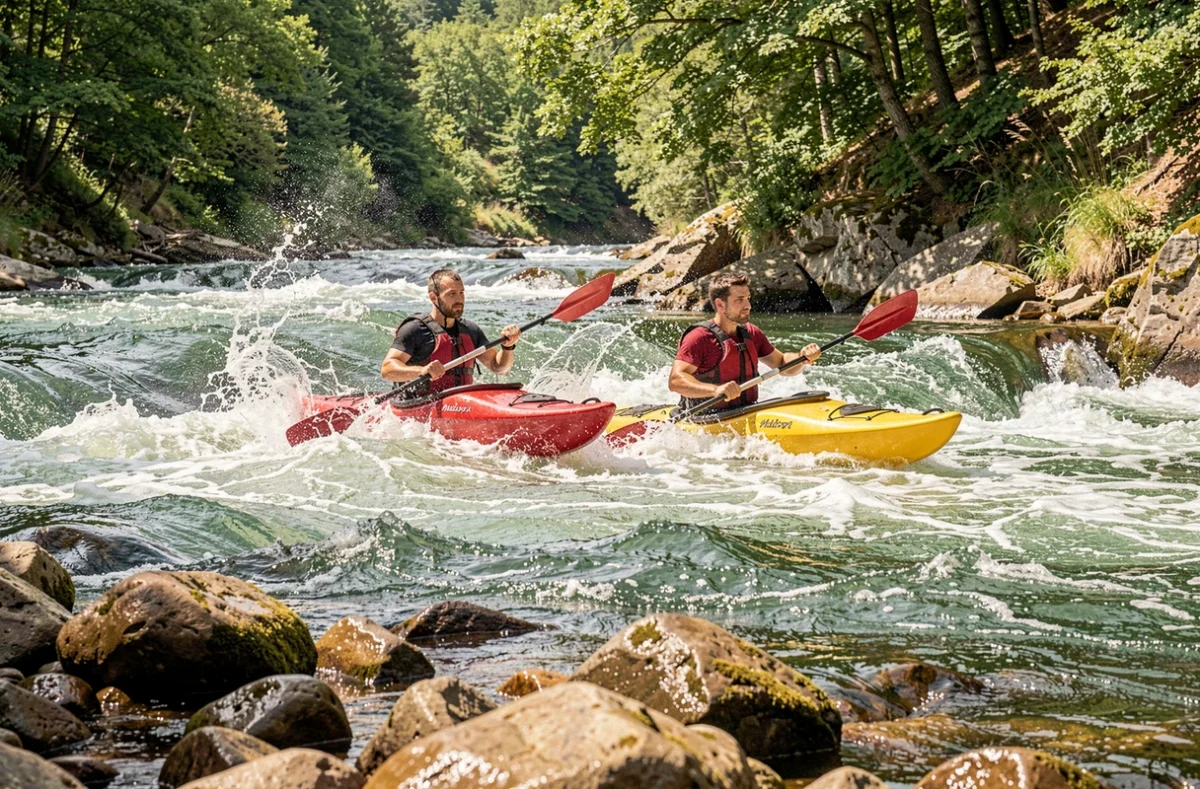
The Morvan is one of the few massifs in central France to offer white-water rafting and canoeing. Fed by dam releases, the Cure and Chalaux rivers have rapids graded from II to IV, depending on the section and water levels.
Operators based around Lac de Chaumeçon take care of the logistics, including shuttles and equipment. If you’re visiting without a car, the easiest option is to book a full-day trip that includes transport from a meeting point accessible by bus.
10. The Park Visitor Centre in Saint-Brisson
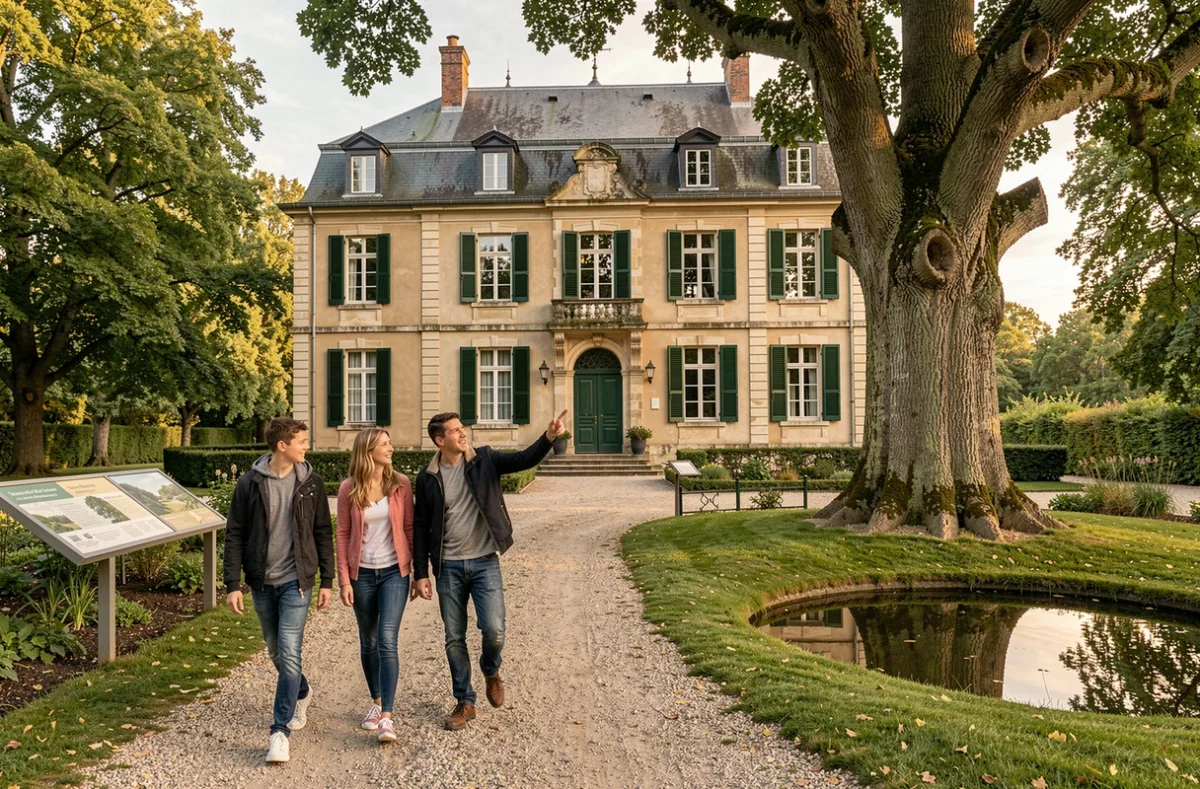
The Park Visitor Centre brings together a herb garden, nature trails, themed museums and a shop selling local produce. It’s the best place to start learning about the Morvan’s ecosystem before heading out to explore.
The centre is in Saint-Brisson, accessible by bike from Lac des Settons. Spend a day exploring the botanical trails and exhibitions, then head to nearby Étang Taureau for a break by the water.
Exploring the Morvan without a car takes some planning around bus timetables and distances between stops, but the slower pace changes how you experience the massif. TER connections to Avallon and Autun, combined with a bike or a good pair of walking shoes, open up a network of natural and heritage sites that most visitors travelling by car pass through too quickly to appreciate.