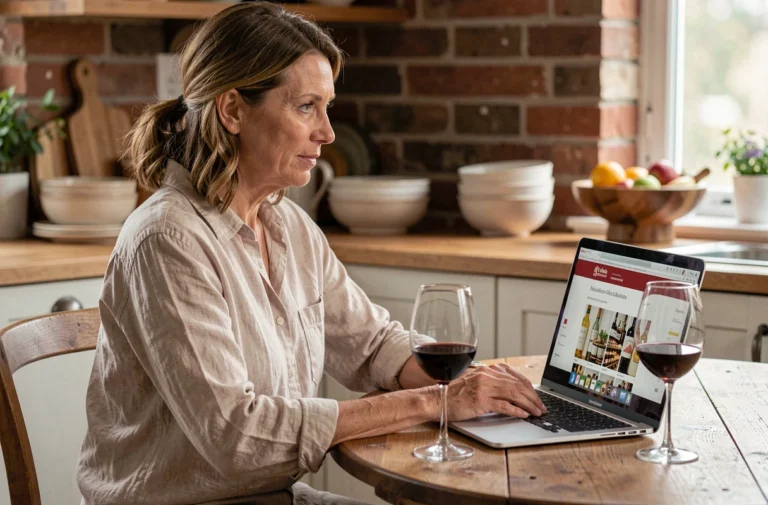
Redecorating an interior without an unlimited budget or an architect requires sorting through the information available online. Between general decoration blogs, Pinterest boards, and Instagram accounts, the sources vary in both format and depth of content. This article compares the editorial approaches of independent decor blogs and then analyzes three aspects of redecorating that traditional search results rarely address: metallic finishes, modular furniture, and reuse.
Chrome or brass finishes: what the choice of metal changes in a room
Brass has dominated interiors for several years. Furniture handles, lighting fixtures, faucets: this warm finish has become an easy decor reflex to adopt.
Chrome is making a notable comeback. According to a report shared by Le Réseau des Achats in September 2026, citing an Idealista analysis from August 2026, chrome represents a counter-movement to brass in metallic finishes. This shift alters the atmosphere of a room: where brass warms and patinas, chrome brings a cold, almost graphic clarity.
For those who regularly consult Marie Carotte’s decor blog, this alternation between warm and cool tones is reflected in the material combinations proposed article after article. Cross-referencing these inspirations with the choice of a metallic finish allows for quicker decisions between two aesthetic directions.
| Criterion | Brass | Chrome |
|---|---|---|
| Visual temperature | Warm, golden | Cold, silver |
| Patina over time | Yes (natural oxidation) | Very low if maintained |
| Textile association | Linen, velvet, terracotta | Raw cotton, gray, off-white |
| Consistency with 2026 trend | Still present | Rapidly increasing |
| Maintenance | Gentle cleaning, visible marks | Marked fingerprints, frequent cleaning |
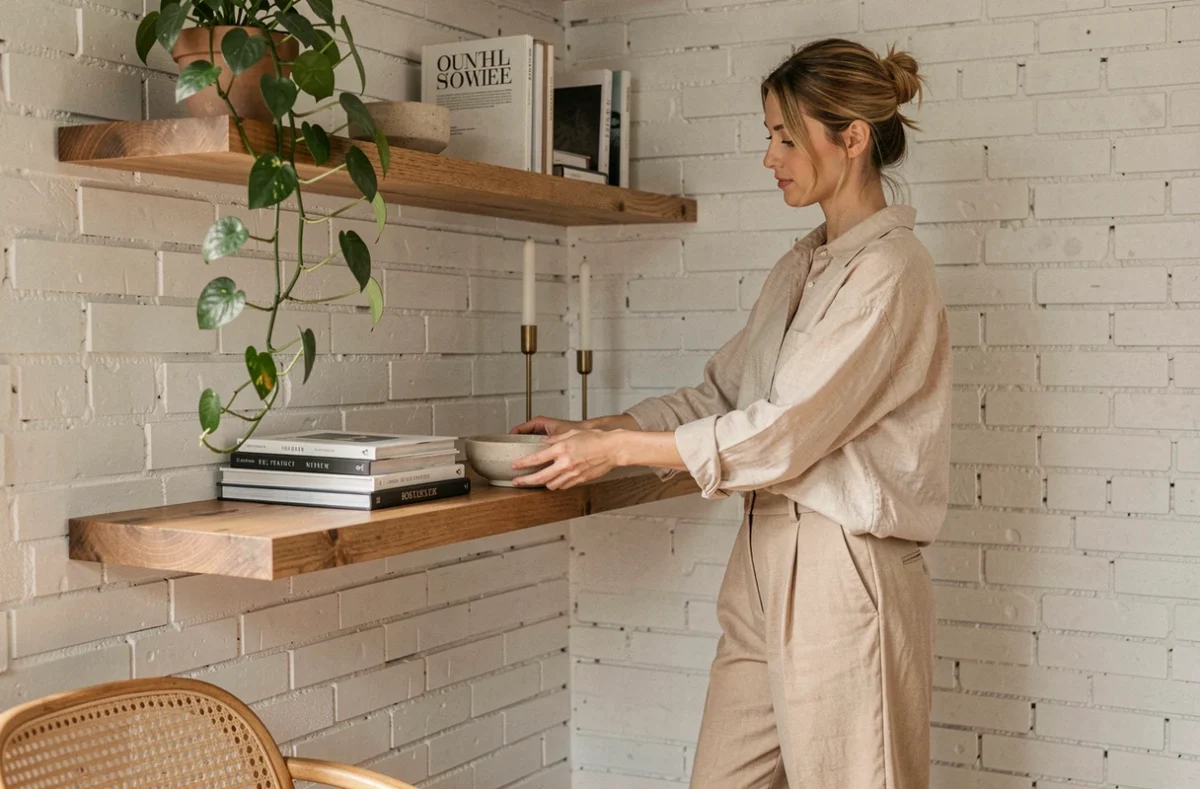
Modular living room and remote work: designing a hybrid space without sacrificing decor
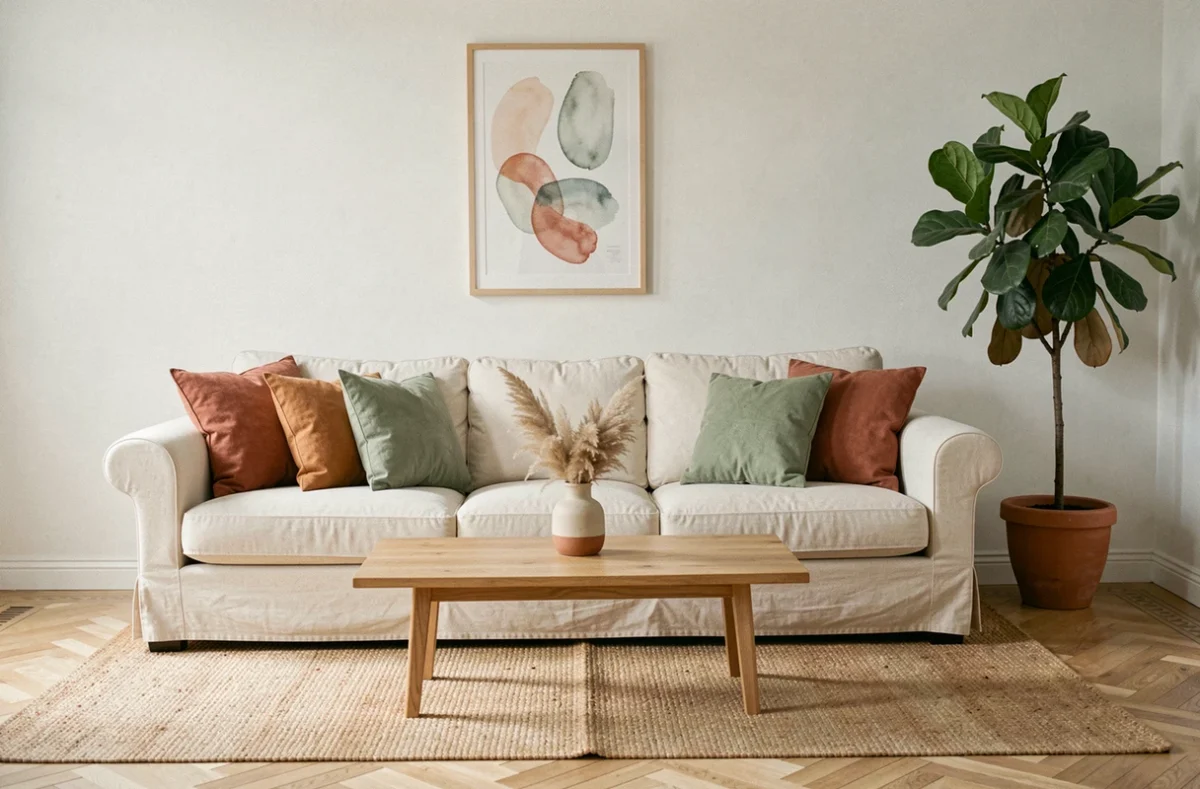
Traditional decor blogs treat the living room as a relaxation area. Mood boards showcase sofas, coffee tables, cushions. The actual use of the living room has changed.
Media-Presse, in an article published on September 16, 2026, emphasizes that the combination of relaxation and remote work is becoming as important a design criterion as aesthetics. Low and multifunctional furniture is no longer a compromise: it becomes the starting point of the project.
A decor blog that offers redecorating ideas without incorporating this usage constraint misses part of the issue. Specifically, redecorating a living room in 2026 requires answering two simultaneous questions: where to place a screen without disrupting the ambiance, and how to store work materials at the end of the day.
Three pieces of furniture that meet this dual use
- The foldable wall console, which serves as a desk during the day and disappears at night. Its footprint on the floor is zero once folded, freeing up circulation in small living rooms.
- The TV unit with an integrated sliding shelf, which accommodates a keyboard or notebook without altering the visual line of the unit. Some models also offer a discreet cable pass-through.
- The wheeled cart, repositionable between the sofa and the dining area. It can serve as an auxiliary workspace or an appetizer table depending on the time of day.
These solutions require neither renovation nor a large budget. They fall under furniture choice, not renovation, and this is precisely the type of ideas that an inspiration-oriented decor blog can help refine.
Reuse of furniture: redecorating with what already exists
Buying new is no longer the only option for transforming an interior. The French reuse sector for furniture has been structuring itself since 2024. Le Nouvel Économiste, in an article published on September 23, 2026, indicates that the 2024-2029 specifications for extended producer responsibility strengthen the objectives of repair and reuse.
Three eco-organizations have been approved since 2024 to oversee this sector: Ecomaison, Valdelia, and Valobat. This structuring means that reuse is no longer a marginal approach reserved for weekend DIYers. Collection, refurbishment, and redistribution circuits exist.
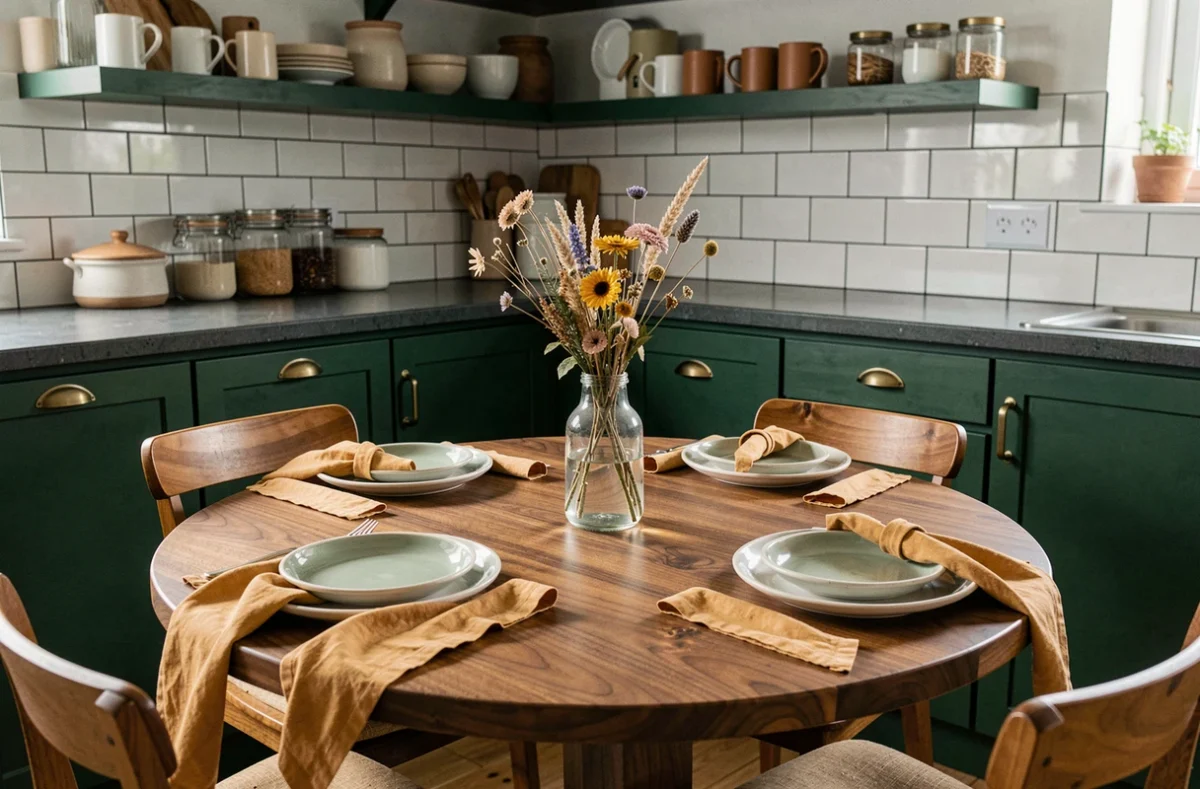
Reuse and decor redecorating: two complementary approaches
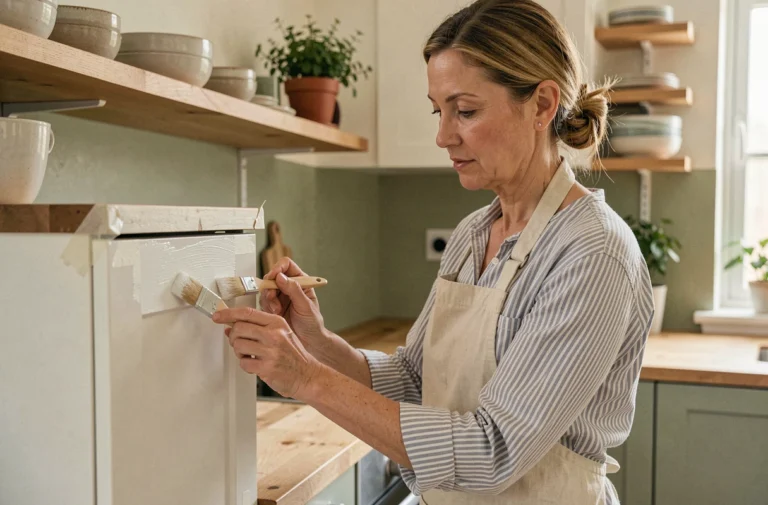
A second-hand or salvaged piece of furniture does not arrive “ready to place” in a coherent interior. This is where decor inspiration plays its full role: choosing a paint suitable for the surface, pairing a 70s buffet with a contemporary palette, repurposing a dresser as a washstand.
DIY and furniture redecorating blogs provide technical step-by-step guides. However, they rarely address reuse from a regulatory or logistical perspective. Knowing that an approved eco-organization can facilitate access to second-life furniture changes the game for those looking for pieces to transform.
- Sanding and repainting a solid wood chair costs a fraction of the price of a new model, and the result can fit into any style.
- Replacing the handles of an old piece of furniture with chrome models (rather than brass) is sometimes enough to give it a contemporary aesthetic.
- Pairing two salvaged pieces of different styles works better when the finish is unified: same paint shade or same type of hardware.
Independent decor blogs versus visual platforms: where to find actionable content
Pinterest and Instagram excel at creating a mood board. Their limitation appears when it comes time to take action: what paint to use on melamine, what order to follow to redecorate a kitchen without dismantling everything, how to balance materials in a small space.
An independent decor blog structures its content around specific topics, with an editorial thread that can be followed over time. The architecture of a site with its categories (painting, DIY, bedroom, kitchen, garden) allows for a deeper exploration of a subject instead of flitting between decontextualized images.
The long article format also allows for details that social networks compress: product references, steps to completion, mistakes to avoid. For a concrete redecorating project, cross-referencing the visual inspiration of a platform with the technical content of a blog remains the most effective combination.
Interior redecorating in 2026 plays out on three simultaneous fronts: the choice of finishes (chrome versus brass), the adaptation of furniture to the hybrid uses of the living room, and easier access to reuse thanks to a sector now regulated by three approved eco-organizations. Each aspect deserves to be explored in detail before purchasing anything.